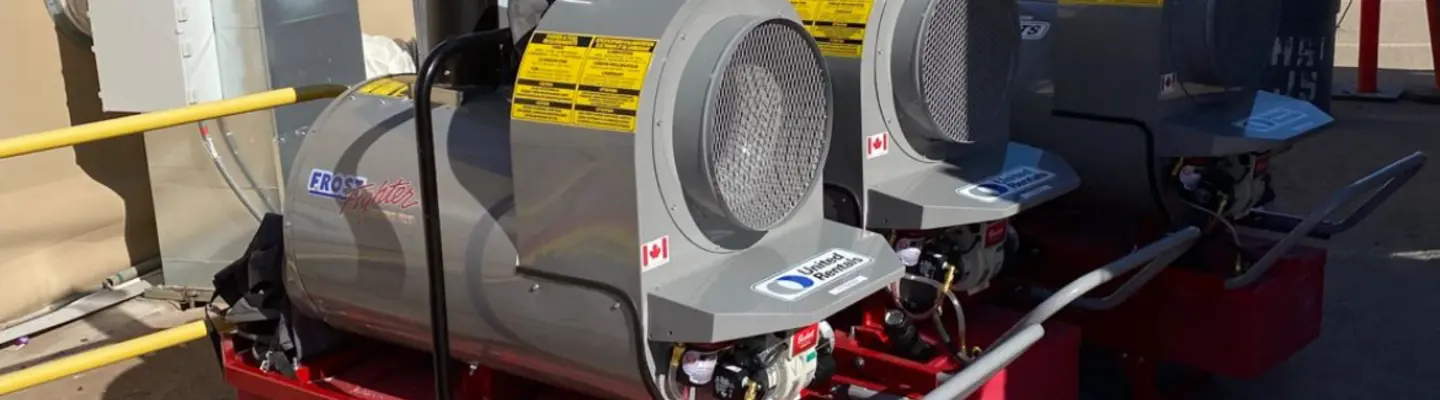
Diesel heaters are valued for their robust heat output, but are diesel heaters safe? The answer is yes, when installed and maintained properly.
Most diesel heaters are indirect-fired heaters. These can be used in enclosed spaces with limited airflow as long as the exhaust is vented outside to prevent carbon monoxide poisoning. Alternatively, the heater can be placed outside and the warm air ducted in. Direct-fired diesel heaters, which are less common, can’t be vented and must be used outdoors or in a large, well-ventilated area.
To minimize the risk of fire, heaters should be placed on a hard, level, noncombustible surface a safe distance away from flammable materials (check the owner’s manual or the heater’s data plate for the specific distance) and away from other combustibles. The heater should be inspected and maintained regularly, and the diesel should be stored in an approved container away from heat sources, including the heater.
To further increase diesel heater safety, install a CO detector nearby or check CO levels regularly. When using an indirect-fired heater, aim the flue stack away from work areas, doors, open windows and air intake areas.
RELATED: Temporary Construction Heater Safety Tips
How do diesel heaters work?
In an indirect-fired diesel heater, diesel is burned in an enclosed combustion chamber. The heat is transferred to a heat exchanger, which is a metal surface such as a coil or plate. Cool fresh air is passed over the heat exchanger, which warms it. The clean, warm air enters the space, while the exhaust from the combustion chamber is vented through a flue and ducted outside.
In direct-fired diesel heaters, cold air passes directly through an exposed flame, which warms it. The warmed air, which contains combustion byproducts, is sent into the space.
Do diesel heaters produce carbon monoxide?
Yes, diesel heaters produce carbon monoxide (CO), which is why proper use and maintenance is critical. Many modern heaters come with safety features, including automatic shutoff, that help reduce the risk of CO poisoning and fire.
Are diesel heaters safe indoors?
Indirect-fired diesel heaters are safe to use indoors as long as the exhaust gases are vented outside using ducting. Direct-fired diesel heaters can be used indoors only in large, well-ventilated areas such as large warehouses.
Do diesel heaters smell?
A high-quality, properly maintained diesel heater should not produce much of an odor, though you may notice a minor smell on initial startup and shutdown. A noticeable odor during heater operation is a sign of poor installation, leaks or a malfunction and should be addressed through maintenance. You may notice a diesel exhaust smell outside a building where the exhaust is released.
How noisy are diesel heaters?
Small heaters used to heat vans and camping tents may make humming and ticking noises, but newer, high-quality heaters should be relatively quiet.
Choosing a portable or mobile heater
Want help choosing a commercial, industrial or construction heater? The United Rentals’ Climate Solutions team is highly knowledgeable about a wide range of heaters and heater types. They can help you choose the optimal diesel heater for your needs and assist with ducting. They can also advise on other types of portable or mobile heaters for construction sites and commercial and industrial sites.
 Facebook
 X
 Linkedin
 Email
 Print
 Copy Link
 RSS Feed
